
April 13, 2026
What You’ll Learn in Our Entry-Level HVAC Technician Program
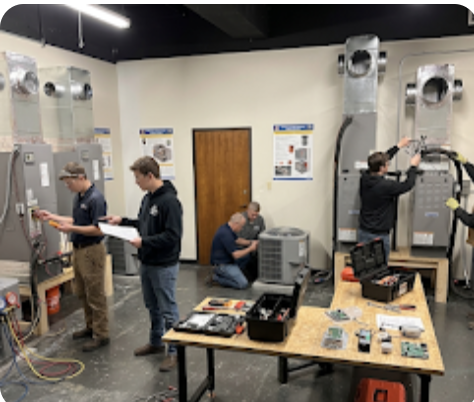
In an entry-level HVAC technician program, students can learn how heating, ventilation, air conditioning, refrigeration, electrical components, troubleshooting, safety, and system performance work together. Training can help students build practical skills for installing, maintaining, diagnosing, and servicing HVAC systems in residential or commercial settings.
At Elite Career Institute of Texas, the Entry-Level HVAC Technician Program is designed to help students build hands-on skills with tools, equipment, electrical systems, cooling systems, heating systems, and refrigerant safety. Students can also prepare for EPA Section 608 Certification, which is required for technicians who handle refrigerants.
This guide explains what students can learn in an entry-level HVAC technician program, how hands-on training supports skill development, and how HVAC training can help prepare students for entry-level opportunities in the field.
Entry-Level HVAC Technician Program at a Glance
| Training Area | What Students May Learn |
|---|---|
| Cooling Systems | Students can learn how air conditioning and refrigeration systems move heat, manage airflow, and support indoor comfort. |
| Electrical Systems | Training may cover voltage, current, resistance, wiring diagrams, circuits, safety practices, and electrical components used in HVAC systems. |
| Hands-On Practice | Students can practice using tools, testing connections, installing components, following wiring layouts, and working with HVAC equipment. |
| Troubleshooting | Students may learn how to identify symptoms, narrow down possible causes, and approach system problems step by step. |
| Heating Systems | Training may include heat pump systems, gas heating systems, combustion basics, safety standards, and seasonal system operation. |
| System Performance | Students can learn about system charging, superheat, subcooling, performance checks, and adjustments that support proper operation. |
| EPA Certification Prep | The program can help students prepare for EPA Section 608 Certification topics, including refrigerant handling, recovery, recycling, and environmental regulations. |
| Professional Skills | Students can build habits related to safety, time management, communication, attention to detail, and professionalism on job sites. |
You’ll Understand How Cooling Systems Actually Work
Before you can install or repair an HVAC system, you need to understand what’s happening inside it.
In the early stages of training, you’ll explore how air conditioning and refrigeration systems move heat from one place to another. You’ll break down the major components inside a system—like compressors, coils, and expansion devices—and learn how they work together to control temperature.
Instead of memorizing parts, you’ll build a practical understanding of:
- How the refrigeration cycle operates
- Why pressure and temperature matter
- What happens when airflow is restricted
- How do different refrigerants behave
This foundational knowledge is what gives technicians confidence. When you know how a system is supposed to function, spotting when something isn’t right becomes much easier.
You’ll Get Comfortable with Electrical Systems
HVAC systems depend heavily on electricity. Thermostats, control boards, motors, and safety switches all rely on electrical connections working properly.
That’s why part of your training focuses on building a clear understanding of electrical principles—without overwhelming you.
You’ll learn:
- How voltage, current, and resistance interact
- How to read wiring diagrams
- How circuits are designed
- How to work safely around electrical components
Many students start out unsure about electrical work. With step-by-step instructions and hands-on reinforcement, it becomes approachable and manageable. By the end of this portion of the program, you won’t just recognize electrical components—you’ll understand how they function within a larger system.
You’ll Practice What Technicians Actually Do
Knowing theory is important. Applying it is what makes you job-ready.
Throughout the program, you’ll spend time working directly with equipment and tools commonly used in the field. You’ll learn how to:
- Test electrical connections
- Use diagnostic tools like multimeters
- Install system components
- Follow wiring layouts
- Identify common installation mistakes
This practical experience helps bridge the gap between classroom instruction and real-world job sites. When employers hire entry-level technicians, they want individuals who are comfortable around equipment, not seeing it for the first time.
Hands-on repetition builds that comfort and confidence.
You’ll Learn How to Diagnose Problems Step by Step
One of the most valuable skills in HVAC isn’t just installing equipment—it’s figuring out what’s wrong when something stops working.
Rather than guessing, you’ll learn how to approach system issues logically. You’ll practice identifying symptoms, narrowing down possible causes, and confirming solutions.
During this part of the program, you’ll explore:
- Airflow-related issues
- Electrical malfunctions
- Refrigerant-related concerns
- Mechanical wear and tear
- Performance inconsistencies
Troubleshooting is where technical knowledge and critical thinking come together. Developing this skill early can make a big difference in your long-term growth as a technician.
You’ll Explore Modern Heating and Cooling Systems
Today’s HVAC systems are more advanced than ever. Energy efficiency and environmental considerations have driven innovation, and technicians need to understand how newer systems operate.
As part of your training, you’ll take a closer look at heat pump systems, which can both heat and cool a space. You’ll examine how they switch modes, manage efficiency, and respond to seasonal changes.
You’ll also study gas heating systems—still widely used in residential settings. Understanding how furnaces operate, how combustion works, and how to maintain safety standards is essential for any well-rounded HVAC professional.
Learning both electric and gas-based systems expands your versatility and prepares you to work in a variety of environments.
You’ll Go Beyond the Basics of Air Conditioning
Once you’ve developed a solid foundation, your training moves into more advanced concepts.
This is where you’ll learn how technicians evaluate system performance, measure efficiency, and fine-tune equipment for optimal operation.
You’ll gain exposure to:
- Proper system charging techniques
- Measuring superheat and subcooling
- Identifying performance inefficiencies
- Making adjustments to improve the operation
These skills elevate you from simply installing equipment to understanding how to maximize its performance. That deeper knowledge can open doors to service roles and advancement opportunities down the road.
You’ll Prepare for EPA Certification
Handling refrigerants in the United States requires proper certification. That’s where EPA Section 608 Certification comes in.
As part of your program, you’ll receive structured preparation for the EPA exam, including guidance on:
- Environmental regulations
- Safe refrigerant handling practices
- Recovery and recycling procedures
- Core testing topics
Earning your EPA certification is a key milestone. It demonstrates that you understand industry regulations and are qualified to work with refrigerants responsibly.
Having this credential before entering the workforce can strengthen your resume and expand your job options.
You’ll Build Real-World Confidence
Technical skills are only part of what makes a successful HVAC technician.
During your time in the program, you’ll also develop professional habits that matter on job sites, including:
- Following safety procedures
- Managing time efficiently
- Communicating clearly
- Paying attention to detail
- Working responsibly around clients’ homes and property
HVAC technicians often work directly in customers’ homes or businesses. Being knowledgeable is important—but being professional and reliable is equally valuable.
Where This Training Can Lead
An entry-level HVAC education can open the door to multiple career paths, including:
- Installation technician
- Service technician
- Maintenance technician
- Residential HVAC support
- Commercial support roles
As you gain experience, opportunities can expand into advanced diagnostics, supervisory positions, sales, or even business ownership.
Because heating and cooling systems are essential infrastructure, skilled HVAC professionals remain in demand across the residential and commercial sectors.
Take the First Step Toward a Skilled Trade Career
If you’re looking for a hands-on career where problem-solving, technical knowledge, and practical skills come together, HVAC may be the right fit for you.
At Elite Career Institute of Texas, our Entry-Level HVAC Technician Program is built to give you a strong foundation, real equipment experience, and preparation for essential industry certifications—all designed to help you transition confidently into the workforce.
Ready to learn more? Contact Elite Career Institute of Texas today to explore enrollment options, class schedules, and how you can start training for a future in HVAC. Your path toward a skilled, in-demand career could begin sooner than you think.
Leave a Reply